
Let me tell you something about being a Franciscan that you may find insightful about your own life, and your own efforts to unfold the best parts of yourself and live your life fully.
What I have learned about being a Franciscan is that it’s more like a process than it is a status. Yes, you can call yourself a Franciscan and people will say “Oh yeah, that guy’s a Franciscan” like it is a status, something you are at a point in time, but in reality being a Franciscan means that I have committed myself to a process of conforming my thought, feelings, and actions over time to the truths and values in the Gospel.
It’s kind of a lucky break because many days, I am not a good example of a Franciscan. If being a Franciscan were a status, then very quickly I’d start thinking “Well, I guess I’m not a Franciscan after all.” Because it is a process, I have more insight into flaws and failures, and am able to see that I am just at my own point in the Franciscan process, doing my best (some days more than others) to work the process and progress toward an improved conformity of my life to what I want it to be like.* On my bad days, I’m just at that point in the process. At no point am I not a Franciscan anymore. The process doesn’t kick you out.
This process is never a “I give this and then I will get that” deal either. It’s not a quid pro quo “this for that”) situation where the process is just a series of transactions with guaranteed results. I have puzzled over this a long time, and the best I can figure is that it’s not a quid pro quo deal because the “that” is already set…like one big “that” and it’s already present, doesn’t need to be gained or acquired, and there’s no transactions to get where “that” is, only process and change over time that changes me in relation to the “that.”
If the “that” is already present and already given, then the process must be about changes in me, and they must be about removing obstacles and barriers in my relationship to to he big “that” I’m talking about. When it comes to removing those barriers, it’s very helpful to know what exactly they are and what to do about them.
Today’s reading in the Liturgy of the Hours is specifically about the barriers and how to remove them: Romans 12:13-21. In this letter, Paul lays out the things we have or do that separate us from our best relationship with God, and also tell us what to do as part of the process of removing those barriers.
Here’s the short list of barriers to your growth process:
- Miserliness, stinginess, being inhospitable
- Hard feelings toward people who give you a hard time, resentment
- Ambition and conceit
- Arrogance
- Vengefulnes
A big lesson to start with is that the quality of our relationship to God very much hinges upon our relationship to other human beings. The common element in all of these barriers is regarding other people as separate from oneself, and then thinking and acting in a self-centered way. The barriers are all about the separation, divisiveness, and adversarial thoughts and actions we bring into our own lives, and then also bring into the lives of those around us through our thoughts, feelings and actions.
Here is the short list of things to do to remove barriers and get on with your growth process:
- Hospitality, regarding others’ needs as your own
- Generosity
- Blessing others, even when it’s the opposite of what you wan to do
- Empathy, participating in the same feelings as others, along with others as they have them
- Being present and accompanying people who are having a hard time in their lives
- Doing things that give people an example that they see as good, inspiring people
- “Living peaceably with everyone” — there’s no simpler or better way to say it.
- Trust the built in natural cause-effect and balancing dynamics in life to respond to the bad things people do
- Use all of the above to defeat the affliction that is causing someone to be you enemy, view enmity as separate from the person and cure it with all of the above
Again, the big lesson to start with is that the quality of our relationship to God very much hinges upon our relationship to other human beings. The common element in all of these barriers is regarding other people as very much connected to you, and then thinking and acting in a way that circulates through that connection all the things everyone truly and honestly wants: love. Removing the barriers is all about the connection, unity, and let’s even say “kinship” (one family, brothers, sisters) thoughts and actions we bring into our own lives, and then also bring into the lives of those around us through our thoughts, feelings and actions.
The last thing I have to say about the process is that it requires patience. It takes time. Like I said, it’s not a quid pro quo situation where you simply do a transaction and acquire a status. That’s hard for us to embrace because we live in a society right now that pushes quid pro quo thinking pretty hard on us on a daily basis. We like to think that everything can have a price and life can be stabilized and made very predictable by just acquiring the right things through the right transactions with guaranteed results. Patience is all about remembering that even on the days when it’s just not coming together, you’re still in the game. The process never kicks you out.
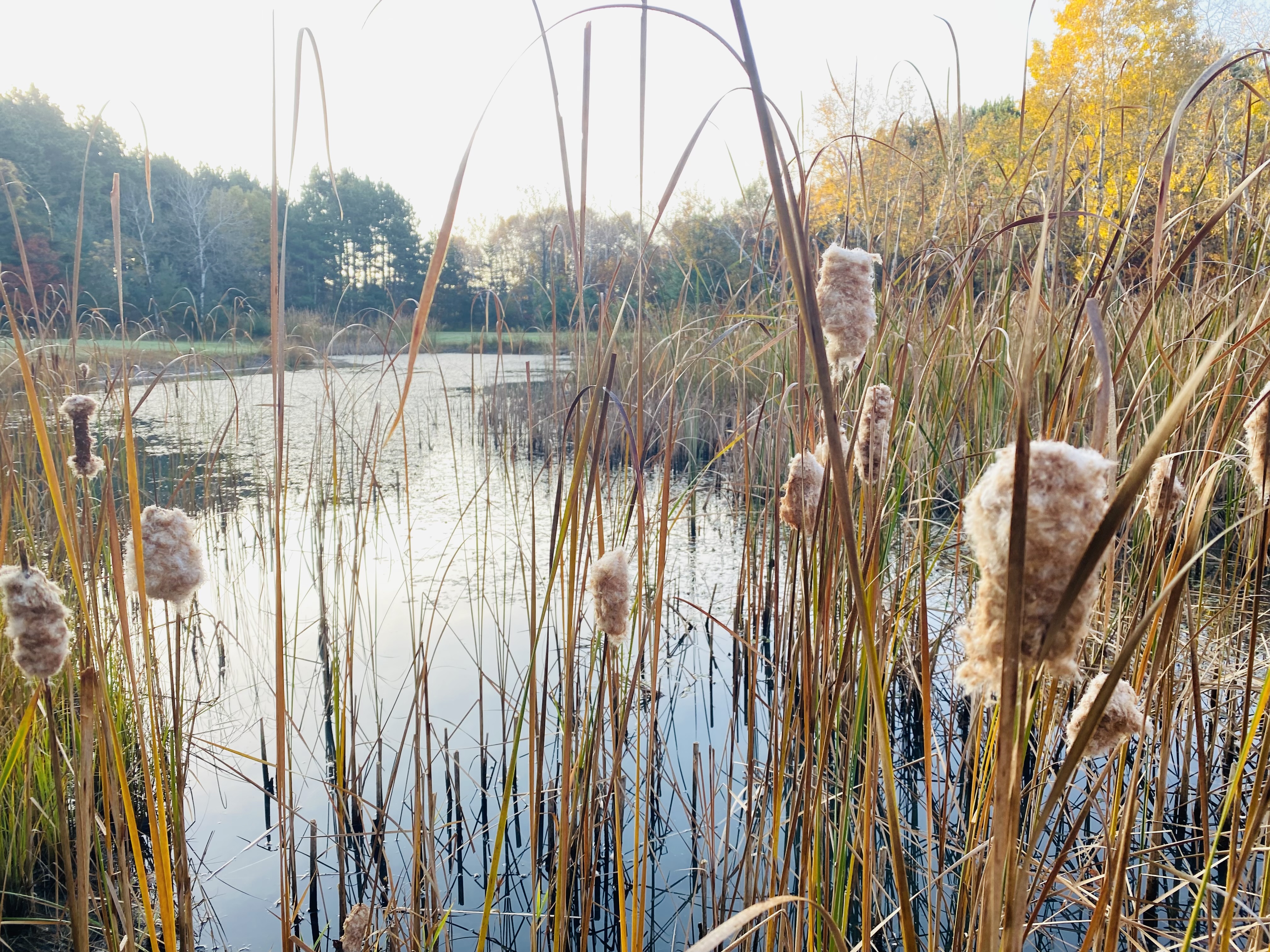
This article starts with a photo I took yesterday of the native lotus flowers we have here in Central Minnesota. I know the analogy has been used before, and for a long time. Working the process is like the natural growth of the lotus flower that starts out in the muck and mirk of the bottom of the pond, but then grows toward the light as it increasingly sees it, then to reach the surface and flowering in great beauty and serenity. It was never about the pond changing, it was always about changing its way of relating to the pond that brought about the flower in the end.
Please share these words with someone who needs them today.
Tom Delaney, O.F.S.
*Interesting side note perhaps, I use the terms “I want” which are the same words as the responses to the questions asked of you in the Rite of Profession when a Secular Franciscan makes a permanent commitment to the Rule of the Secular Franciscan Order and Franciscan life. When you’re in it, it’s basically a bottom line “gut check” moment where for once in your life, you really have clarity about what you want in life (or what I call what you’re “in it for”).
This article is an original work of the author and was not composed by or with artificial intelligence (AI). The author is solely responsible for the contents of this article and the opinions and perspectives expressed in the article are solely those of the author. © 2026 Thomas Delaney. All rights reserved.


Leave a Reply