
For a very long time, and all around the world, thinkers have asked whether we can clearly define a good life, or the best life, for ourselves. The idea is that if we could clearly define it, then we would know what we need to do in order to get it and have it for ourselves. The question has even crossed from the realms of philosophy, theology and education into the realm of scientific research in our current times.
What is human flourishing?
The most often used term for the good or best life possible is “human flourishing,” and it can be defined as a state in which all aspects of a person’s life are good. You could ask what we mean by “aspects” when we say that, and researchers at the Human Flourishing Program at Harvard University point to six aspects or domains of human flourishing:
- Happiness and Life Satisfaction
- Mental and Physical Health
- Meaning and Purpose
- Character and Virtue
- Close Social Relationships
- Financial and Material Stability
Researchers also suggest that there may be growing evidence of the things we can do in life that will contribute to human flourishing, including:
- Cognitive Exercises
- Behaviors You Can Change
- Engaging in Relationships and Institutional Practices
- Ways to Address Psychological Distress
Of course, thee is always an interest in whether there is one thing that underlies all the domains of human flourishing, and the things we can do to obtain it for ourselves, as well as the questions of what is most important, or what is the one thing a person can do that is most likely to get you to flourishing.
What is the key to human flourishing?
Today’s reading from the Gospel of John in the liturgy of the Catholic Church provides us with one answer. The reading is from John 15:9-11. In this section of John’s gospel, Jesus says to his disciples:
As the Father loves me, so I also love you.
Remain in my love.
If you keep my commandments, you will remain in my love, just as I have kept my Father’s commandments and remain in his love.
I have told you this so that my joy may be in you and your joy may be complete.
You can find the key to this passage by practically reading it backwards. What Jesus is saying that joy can be complete. If we look at the original Greek words, we see χαρά for joy, and πληρόω for filed, full, or complete. This complete joy is comparable to human flourishing, the state in which all aspects of your life are good. As we keep reading backwards, Jesus explains that he is offering what we need to hear in order to have that complete joy and human flourishing. Jesus explains that what we need to do is to keep his commandment and remain in his love, just as he has kept the commandments and remained in his father’s love. What are the commandments to be kept? “Love the Lord your God with all your heart, soul, and mind,” and “Love your neighbor as yourself” (Matthew 22:37-40). In John 13:34, we also find Jesus explaining, “A new command I give you: Love one another. As I have loved you, so you must love one another.” Just so there is no possible doubt, we can go back to the beginning of John 15:9-11, where Jesus reassures us that he loves us as much as his father loves him — that’s a lot, and there’s no doubt about it.
If you count the number of times the word “love” shows up in that last paragraph, you have discovered the key. The key to human flourishing, is love — love in all of the ways that we just listed. Now you know.
In case you think I’m making this up, I can also tell you that scientific research has caught up with the truth that love is the key to human flourishing. Catholic scholar Tyler Vanderweele, director of the Human Flourishing Program at Harvard University where I completed my training in forgiveness education and facilitation, has authored two compelling papers pointing to love as the key to human flourishing: On an Analytic Definition of Love (2023) and Love and Human Flourishing (2025, co-authored with Matthew Lee). Love and human flourishing is one of the most important places where we find that science is confirming faith, and faith is confirming science.
Practical Exercise
Today, take some intentional time to think about a few questions, and capture your thoughts in a journal or note to yourself:
- How has love been important for the things that I feel are going well in my life?
- When are the times that I feel love most at work in my life?
- What is one thing I can do in the next 30 days to be more aware of love in my life, and connect with love more intentionally?
If you have a good friend, share your answers with them and ask if they see love at work in your life as well. Compare your experiences and grow deeper in friendship.
This article is an original work of the author and was not composed by or with artificial intelligence (AI). The author is solely responsible for the contents of this article and the opinions and perspectives expressed in the article are solely those of the author. © 2026 Thomas Delaney. All rights reserved.
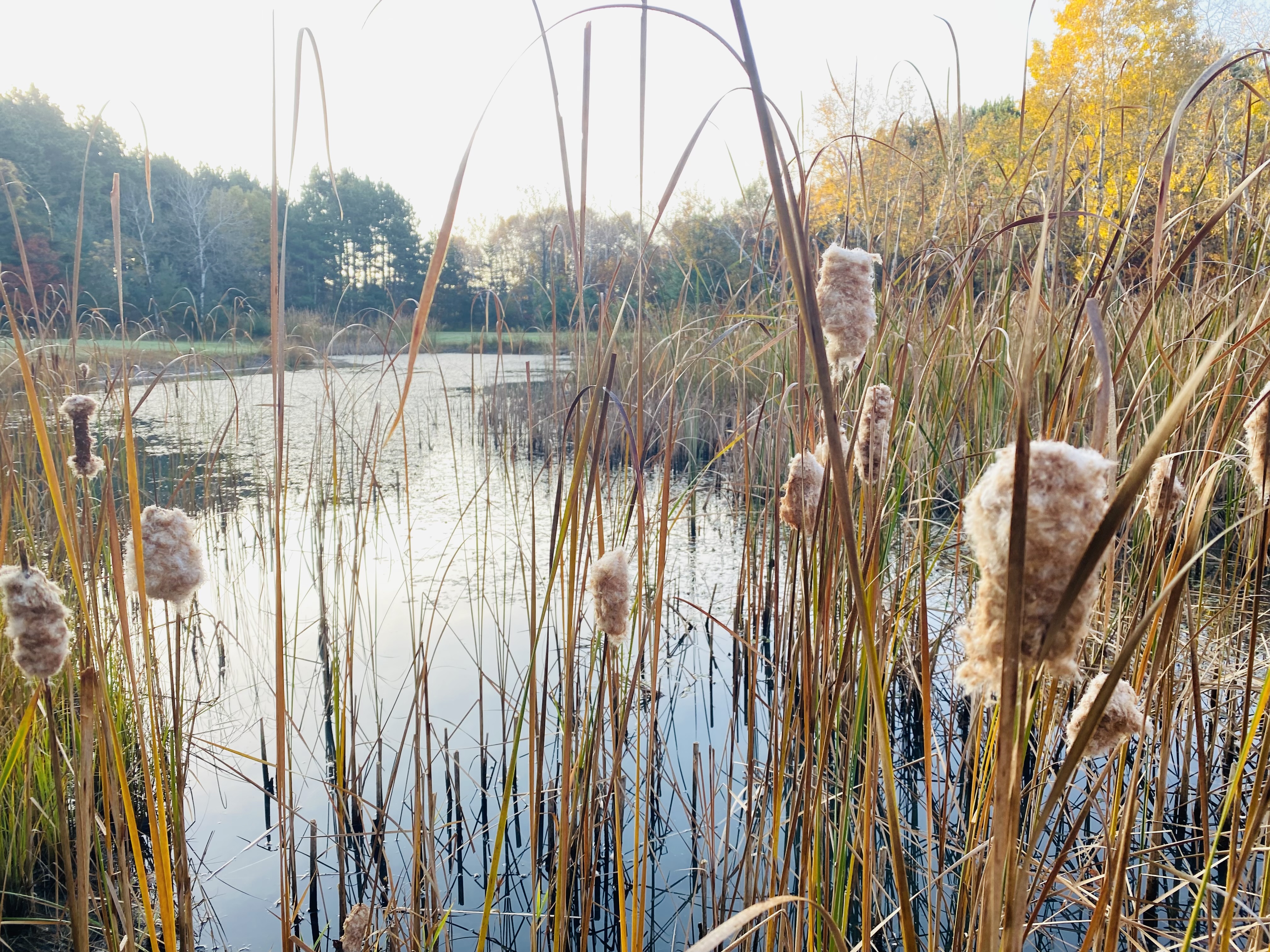
top photo: © Thomas Delaney, 2026

If your parish or faith community is seeking a deeper experience of forgiveness and wellness for inner renewal and spiritual growth, Live and Forgive is here to help. To begin the conversation, email Live and Forgive presenter and facilitator Tom Delaney at tom@liveandforgive.com — he will be glad to connect with you for a conversation
Please type in your email and click “Subscribe” below to stay connected and get Live and Forgive articles delivered to you.
Take your learning deeper! Enter the term or word for any idea or thing you saw in this article that you want to know more about, and you will get a list of other articles that also talk about that idea or thing!


Leave a Reply